
Krawczyk
Laboratory
 Immunology, Epigenetics and Metabolism
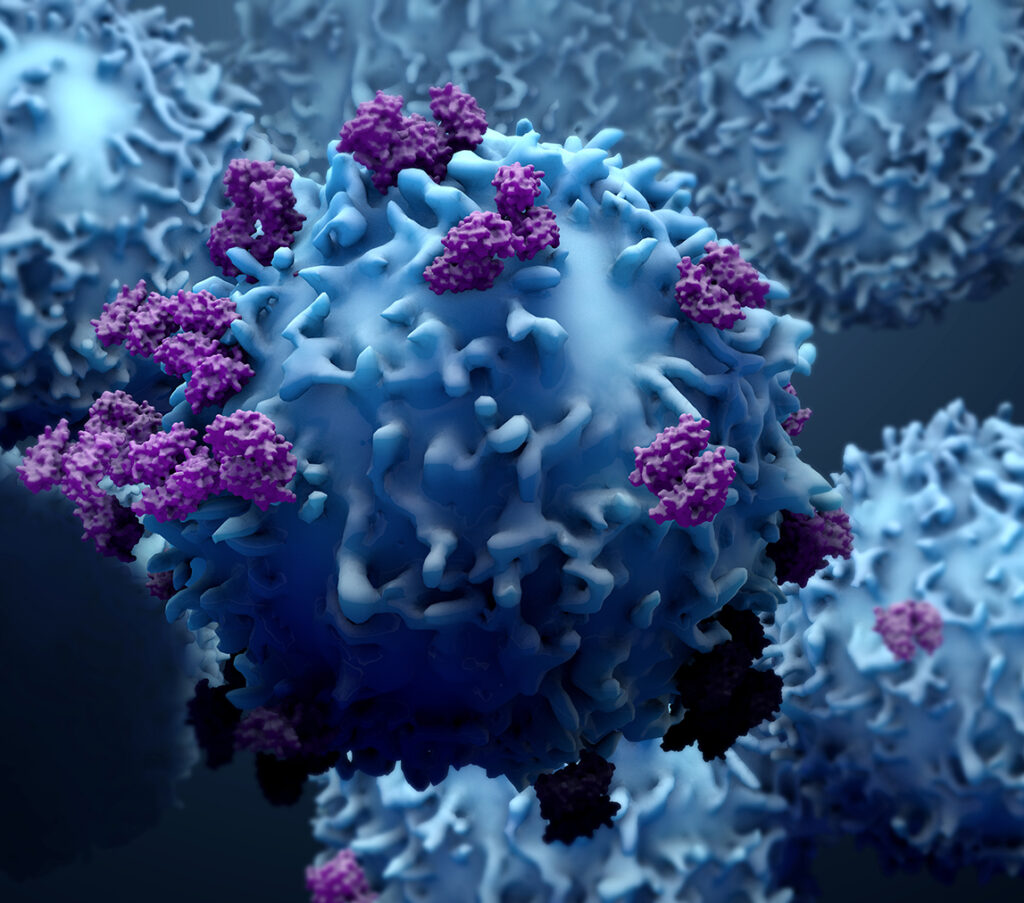 Immunology, Epigenetics and Metabolism
The immune system is the body’s first line of defense against infection and disease and, as such, plays a central role in detecting and eliminating cancers and other harmful agents, like viruses and bacteria. Sometimes, however, immune defenses break down, allowing infections to take hold, or cancer cells to evade detection and proliferate. Metabolic pathways, which regulate cellular energy and function, are emerging as central players in the immune system’s ability to protect against cancer and infections. Growing evidence also points to disruptions in metabolic pathways as a facilitator of cancers’ ability to thwart the immune system. Understanding how malignant cells and pathogens take advantage of these gaps in anti-tumor immunity has great potential for translation into targeted therapies and anti-cancer vaccines.
To this end, the Krawczyk Laboratory investigates the mechanisms that underlie interactions between the immune system, metabolism and cellular programming with the goal of developing new treatments for cancer, infections, autoimmunity and neuroinflammation. Specifically, they are investigating transcriptional and translational regulation in dendritic and T cells — both specialized immune cell types — and exploring the metabolic profiles of differentially activated dendritic cells in the context of cancer immune surveillance, vaccine development and infection.

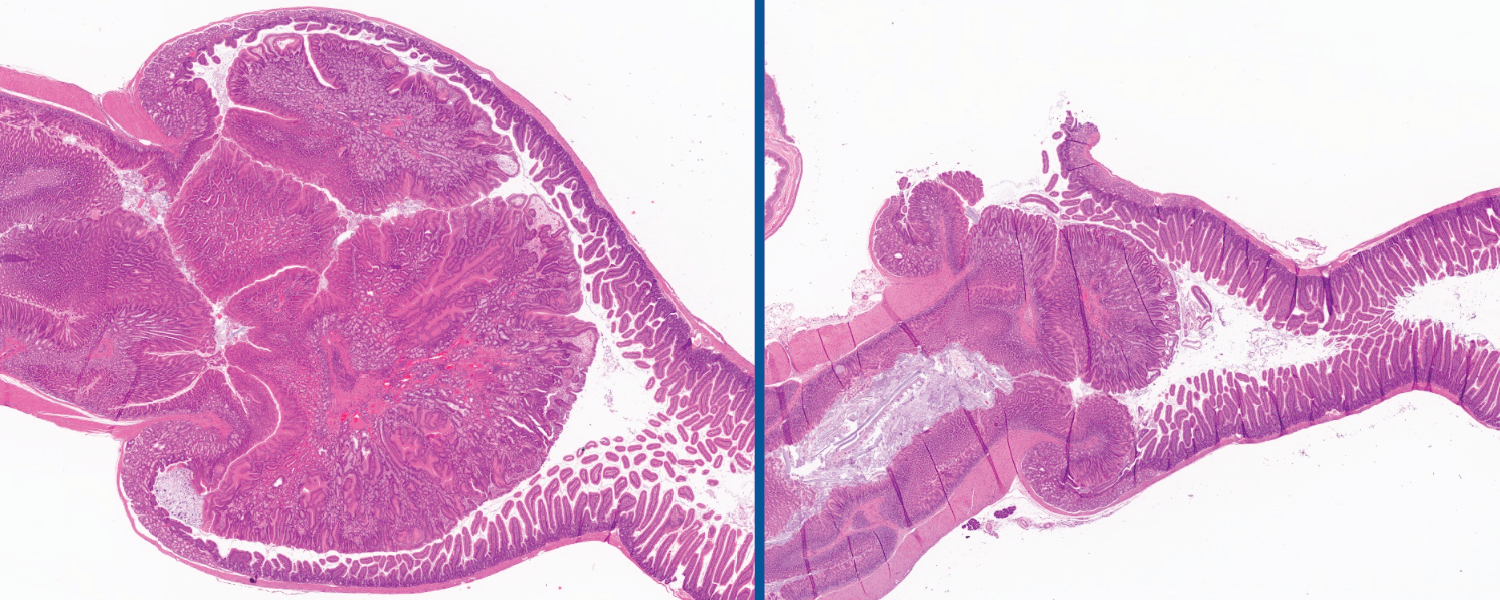
Recent News & Press
Learn More



Our Impact
We’re raising thousands to save millions.
We’re turning hope into action for the millions of people around the world affected by diseases like cancer and Parkinson’s. Find out how you can help us make a difference.
- 141 peer-reviewed papers published in 2025, 74 of which were in high-impact journals
- 15 VAI-SU2C Epigenetics Dream Team clinical trials launched to date
- 10 clinical trials and related projects supported by VAI through the International Linked Clinical Trials Program

Connie Krawczyk, Ph.D.
Associate Professor, Department of Metabolism and Nutritional Programming
Areas of Expertise
Immunology, metabolism, molecular and cell biology
Biography
Connie Krawczyk, Ph.D., is an associate professor at Van Andel Institute and a leader in investigating the links between metabolism, epigenetics and the immune system, with the goal of understanding how they work together in health and disease.
She earned her B.S. with honors in molecular biology and genetics from University of Guelph followed by her Ph.D. in cell and molecular biology from University of Toronto. She then completed postdoctoral fellowships in the labs of Dr. Hao Shen and Dr. Edward Pearce at University of Pennsylvania before taking a position as a senior research biologist at Merck Frosst. In 2011, Dr. Krawczyk was recruited to McGill University as an assistant professor, where her work focused on the molecular mechanisms regulating immune function and the immune system’s role in cancer development. She joined VAI as an associate professor in 2018 as part of its new Metabolic and Nutritional Programming group. She is an active member of several professional societies, including the Society for Leucocyte Biology, the immunoTherapy NeTwork (iTNT) and the Canadian Society for Immunology, and has served as a reviewer for the journals Cell Reports, Cell Metabolism, EMBO Reports, Immunity and Nature Scientific Reports, among others.
Society Memberships
Society for Leucocyte Biology
The immunoTherapy NeTwork (iTNT)
Canadian Society for Immunology
At Van Andel Institute, Dr. Connie M. Krawczyk conducts research on the metabolic and epigenetic programming of immune cells, with a particular emphasis on dendritic cells (DCs) and T cells. This work investigates how cellular metabolism and epigenetic modifications influence the function and behavior of immune cells, insights that improve our understanding of immune responses and related diseases. By exploring these fundamental biological processes, Dr. Krawczyk’s research may contribute to advancements in immunology and inform new approaches to treating inflammation and immune-related disorders.
Her recent work focuses on the function of KDM5C. KDM5C is an X-linked histone demethylase that represses transcription by removing the active histone PTMs, H3K4me3/2. However, KDM5C also can promote gene expression in some contexts through less well-known mechanisms.
Project Area 1: Epigenetic and metabolic mechanisms regulating dendritic cell function
Context- and subset-specific response allows dendritic cells (DCs) to fine-tune immune responses, ensuring appropriate reactions to diverse challenges. This remarkable plasticity of DCs is central to their roles in orchestrating context-specific immune responses.
Metabolism and epigenetic programming play crucial roles in shaping DC function. As DCs transition from an immature to an activated state, they undergo significant metabolic reprogramming. Likewise, they undergo significant epigenetic programming that is both context- (e.g., infection type) and subset-specific.
Our group has shown that DCs engage in Warburg metabolism upon activation and depend on glycolysis for their survival and inflammatory functions (Krawczyk et al., 2010). However, DCs with varying inflammatory phenotypes (from weak to strong) all rely on the induction of glycolysis for functions such as migration from tissues to lymph nodes where they initiate immune responses (Guak et al., 2018). One of the most striking differences of differentially activated DCs is the maintenance of mitochondrial metabolism. We found that PGC-1β is a crucial driver of mitochondrial metabolism, but also suppresses inflammatory gene expression (Guak et al., 2022). These findings suggest the molecules that regulate metabolic programming of DCs directly impact their inflammatory capabilities.
Guak H, Sheldon RD, Beddows I, VanderArk A, Weiland MJ, Shen H, Jones RJ, St-Pierre J, Ma EH, Krawczyk CM. 2022. PGC-1β maintains mitochondrial metabolism and restrains inflammatory gene expression. Sci Rep 12:16028.
Guak H, Krawczyk CM. 2020. Implications of cellular metabolism for immune cell migration. Immunology 161(3):200–208.
Guak, H, Al Habyan S, Ma, EH, Aldossary H, Al-Masri M, Won SY, Ying T, Fixman ED, Jones RG, McCaffrey LM, Krawczyk CM. 2018. Glycolytic metabolism is essential for CCR7 oligomerization and dendritic cell migration. Nat Commun 9:2463.
Krawczyk CM, Holowka T, Sun J, Blagih J, Amiel E, DeBerardinis RJ, Cross JR, Jung E, Thompson CB, Jones RG, and Pearce EJ. 2010. Toll-like receptor-induced changes in glycolytic metabolism regulate dendritic cell activation. Blood 115:4742–4749.
DCs respond rapidly to environmental cues. We hypothesized that, in addition to being poised at the cellular level, DCs must also be epigenetically poised to swiftly express specific genes tailored to combat distinct threats. Further, it is well established that DCs that previously have been activated are significantly impaired in responding to new threats. Thus, DC activation needs to be tightly regulated and restrained at steady state to ensure an effective response.
We discovered that the restraint of DC activation at homeostasis is reliant on epigenetic regulators PCGF6 and KDM5C. PCGF6 is a component of the polycomb repressor complex (PRC1.6), which represses gene expression via histone ubiquitylation. PCGF6 interacts with the histone lysine demethylase KDM5C to jointly restrain DC activation (Boukhaled et al., 2016). Upon DC activation, PCGF6 is rapidly downregulated to relieve inhibition. Mechanistically, we also discovered that the micro-RNA, miR-9, is rapidly upregulated upon DC activation and targets PCGF6 and other negative regulators of DC activation to facilitate DC activation (Cordeiro et al., 2020).
To further explore these mechanisms, we generated mice with DC-specific deficiencies in KDM5C and PCGF6. Our findings revealed that KDM5C-deficient DCs exhibit abnormalities, including altered subset heterogeneity, spontaneous activation at steady state and impaired response to stimuli (Guak, Weiland et al., 2024). In Guak, Weiland et al. (2024), we characterize a previously undescribed population of plasmacytoid DCs that are more abundant in the absence of KDM5C, and that pDCs are effective APCs for CD8 T cells in the context of infection. We found that KDM5C restrains inflammatory gene expression while promoting the expression of mitochondrial metabolism genes. In the absence of KDM5C in DCs, mice are less able to control viral infection. Conversely, deletion of PCGF6 had minimal impact on DC function and heterogeneity, indicating that KDM5C likely serves as the primary repressor of steady-state gene activation.
We currently are investigating subset-specific metabolic and epigenetic programming of DC subsets in vivo. We now know that bone marrow-derived dendritic cell (BMDC) programming does not fully recapitulate the metabolic profiles of DCs that develop naturally in vivo, in part because of nutrient availability, signals from the microenvironment and developmental differences between BMDC and DCs in physiological settings. In addition to glycolysis, DCs engage in multiple metabolic pathways following activation, and we are exploring how specific metabolic pathways, and epigenetic programming mechanisms support DC activation with the goal of improving DC-based therapies through modulating these pathways.
Current efforts are focused on the intersection of epigenetic and metabolic programming of DCs.
Guak H, Weiland MJ, VanderArk AR, Zhai L, Lau K, Mabvakure B, Corrado M, Davidson P, Compton S, DeCamp L, Jones RG, Nowinski S, Krawczyk CM. 2024. The histone lysine demethylase KDM5C fine-tunes gene expression to regulate dendritic cell heterogeneity and function. Cell Rep 43(8):114506.
Boukhaled GM, Corrado M, Guak H, Krawczyk CM. 2019. Chromatin architecture as an essential regulator of DC function. Front Immunol 10:1119.
Cordeiro B, Jeon P, Boukhaled GM, Corrado M, Lapohos O, Roy DG, Williams K, Jones RG, Gruenheid S, Sagan SM, Krawczyk CM. 2020. MicroRNA-9 fine-tunes dendritic cell function by suppressing negative regulators in a cell-type-specific manner. Cell Rep 31(5):107585.
Boukhaled GM, Cordeiro B, Deblois G. Dimitrov V, Bailey SD, Holowka T, Domi A, Guak H, Chiu HH, Everts B, Pearce EJ, Lupien M, White JH, Krawczyk CM. 2016. The transcriptional repressor Polycomb Group Factor 6, PCGF6, negatively regulates dendritic cell activation and promotes quiescence. Cell Rep 16:1829–1837.
Project Area 2: Function of KDM5C
We have found that the histone lysine demethylases KDM5C (JARID1C/SMCX) integrates metabolic and epigenetic programs to support cellular function. KDM5C is a histone 3 lysine 4 (H3K4) demethylase that escapes X- inactivation and is therefore expressed more highly in females than males. KDM5D (JARID1D, SMCY), a paralogue of KDM5C, located on Chr-Y, is also an H3K4 demethylase. Males with non-functional KDM5C variants develop X-linked intellectual disability syndrome, Claes-Jensen syndrome, while females with KDM5C variants show a broad range of effects, from no symptoms to severe impairment. Dr. Krawczyk serves on the scientific advisory board for the KARES Foundation, a patient advocacy group for people with KDM5C variants and their families.
In multiple cell types, we and others have observed that KDM5C enhances cellular metabolism while concurrently repressing immune gene activation. In collaboration with VAI’s Dr. Tao Yang, we found KDM5C loss or inhibition resulted in severely impaired osteoclastogenesis in vitro which results in increased bone density in vivo (Liu, Zhai et al., 2023). Similar to our study in DCs, we found an increase in expression of inflammatory genes and a decrease in expression of mitochondrial metabolism genes in the absence of KDM5C (Guak, Weiland et al., 2024). We also found that KDM5C positively regulates the expression of genes essential to the osteoclastogenesis differentiation program.
We are currently focused on defining the demethylase dependent and independent functions of KDM5C. We hope to use this knowledge to better understand the effects of KDM5C variants, in particular VUS, and utilize KDM5C variants to better understand KDM5C function.
Liu H*, Zhai L*, Liu Y, Lu D, VanderArk A, Yang T#, Krawczyk CM#. 2023. The histone demethylase KDM5C controls female bone mass by promoting energy metabolism in osteoclasts. Sci Adv 9(14)
*co-first authors
# co-corresponding authors

Ebenezer Asiedu
Ph.D. Student, VAI Graduate School
Research Focus: Defining the metabolic and epigenetic basis of dendritic cell function to advance immunotherapeutic innovation

Margene Brewer, M.S.
Senior Administrative Assistant I, Department of Metabolism and Nutritional Programming



Young Sung Lee
Assistant Research Technician, Department of Metabolism and Nutritional Programming


Alexandra Swanson, M.S.
Lab Manager, Department of Metabolism and Nutritional Programming